Navigate
Shop
Brand
Elevate your inbox
SUBSCRIBE NOW



*This post was updated on July 30, 2025.
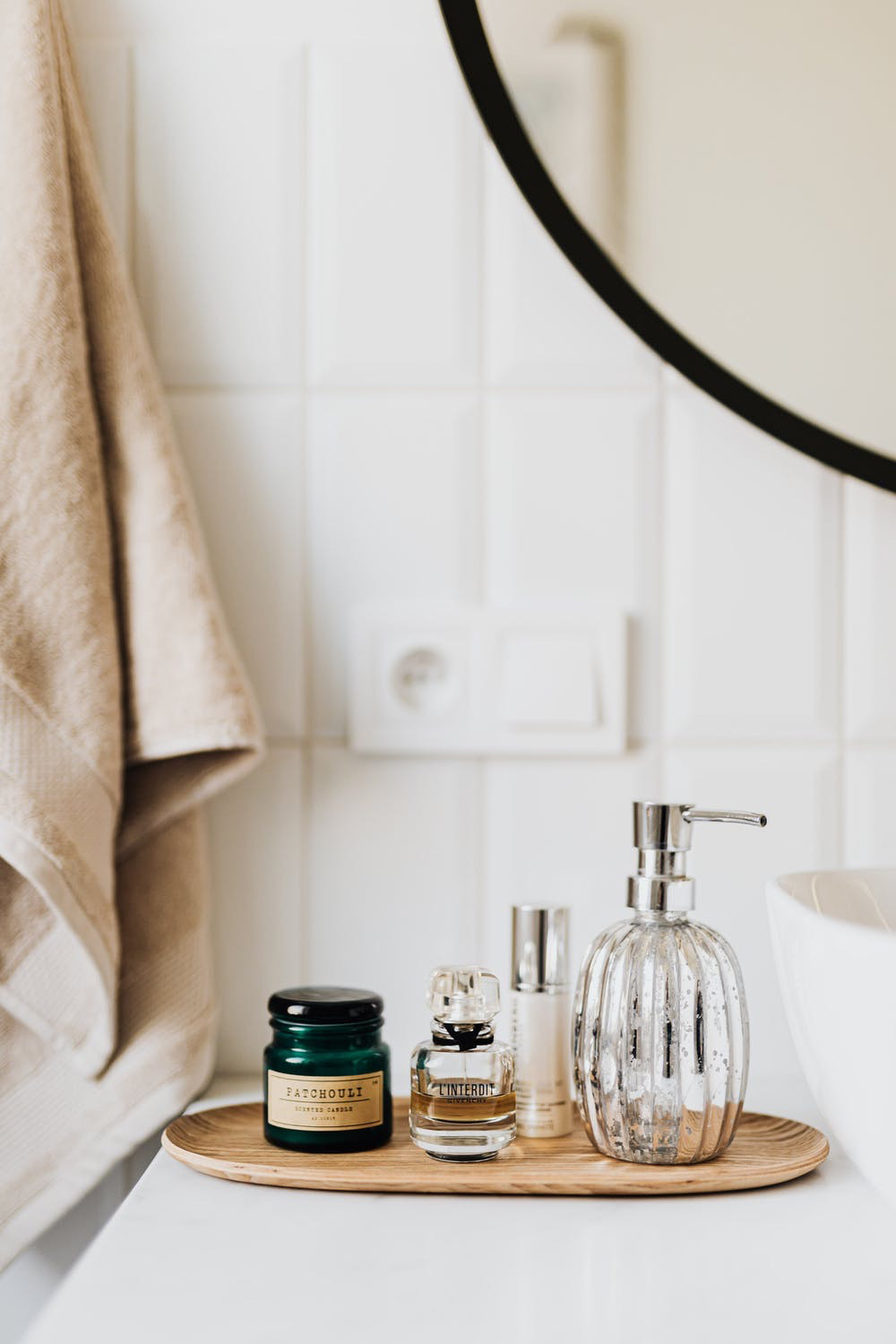
In the pursuit of building a well-designed life, our family saying goodbye to synthetic fragrances wasn’t just a crunchy Pinterest-inspired move. It was one of the most powerful, perspective-shifting decisions we’ve ever made. You’d be shocked how many so-called “everyday” products are laced with undisclosed toxins hiding behind one innocent little word: fragrance. Perfumes, candles, laundry detergents, soaps—if it smells “clean,” there’s a good chance it’s actually polluting your home and body. And once I saw the truth, I couldn’t unsee it.
When “Fragrance” Is Actually Code for Chemical Soup
Let’s start here: fragrance is not a real ingredient. It’s a blanket term created so companies don’t have to tell you what’s actually in the bottle. Cute, right?
Thanks to a charming little loophole in the Federal Fair Packaging and Labeling Act of 1973, companies can hide up to 3,000 different chemicals behind that one word—everything from phthalates (linked to hormone disruption) to formaldehyde (yes, the stuff used to embalm dead bodies). Sound like something you want in your shampoo? I didn’t think so.
The Maddening Stats That Made Me Toss Everything
Before I had my great “fragrance awakening,” I assumed—like most of us—that if it’s on a shelf, it’s been tested for safety. Spoiler alert: it hasn’t.
-
95% of synthetic fragrance chemicals are petroleum-based
-
Out of 80,000+ registered chemicals, only about 200 have been tested for safety
-
They have found 200+ industrial chemicals in newborn umbilical cord blood (article here)
-
The EPA ranks indoor air pollution among the top five environmental dangers, thanks largely to cleaning and personal care products
-
Asthma is now the most common chronic condition in children (article here)
In a New York Times article from 2010 quoted Dr. Philip J. Landrigan, professor of pediatrics at the Mount Sinai School of Medicine in New York, as stating he is “increasingly confident that autism and other ailments are, in part, the result of the impact of environmental chemicals on the brain as it is being formed.
Senator Frank Lautenberg of New Jersey at this time was working on drafting much-needed legislation that would strengthen the Toxic Substances Control Act before his death. He was quoted stating that under existing law, of 80,000 chemicals registered in the U.S., the Environmental Protection Agency has required safety testing of only 200. “Our children have become test subjects,” he noted.
Alan M. Goldberg, a professor of toxicology at the Bloomberg School of Public Health at Johns Hopkins University, stated “There are diseases that are increasing in the population that we have no known cause for. Breast cancer, prostate cancer, autism are three examples. The potential is for these diseases to be on the rise because of chemicals in the environment.”
So What Did We Do About It?
We Marie Kondo’d our bathroom, laundry room, and cleaning cabinet—except instead of asking if something sparked joy, we asked: “Does this ingredient disrupt our endocrine system?”
-
Tossed every synthetic perfume, cologne, and spray
-
Ditched every cleaning product that listed “fragrance” or “parfum”
-
Said goodbye to candles, plug-ins, and air fresheners
-
Swapped everything for truly clean, safe, and actually effective alternatives

Some of Our Favorite Non-Toxic Swaps (With Links, Because I Got You)
Ready to do a home detox of your own? Here are the clean alternatives and some of our favorite brands that have made our life better:
Thieves Household Cleaner – One concentrate, endless uses. Plant-based, smells warm and spicy, and you’ll never go back (the entire line of Thieves is fantastic).
Henry Rose Fragrances – Founded by Michelle Pfeiffer and 100% transparent about ingredients. Like, EWG verified clean.
Primally Pure – Skincare made from real ingredients you can actually pronounce.
Pura Scents – Think luxury home scents without the mystery chemicals. Our home smells amazing.
Merit – Makeup that’s clean, chic, and minimalistic. My love language.
Attitude – Everyday essentials with EWG-certified ingredients. Just clean, conscious self-care.
The Daily Essential Co – Small-batch essentials for the skin and a brand I fell in love with over the summer. They were so sweet to give me a code for you to enjoy them too (Use ‘KaraLayne’ for 10% off).
Wyld Notes – This is a new brand I was recently made aware of. Love their approach and can’t wait to try.
Dime – Love the affordability of their fragrance options and our teens love them.
Shop This Post:

Don’t Be Fooled by Greenwashing
Just because something has a leaf on the label doesn’t mean it’s clean. If a product doesn’t list every single ingredient, you’ve got to ask why. If it proudly touts “natural” but hides behind “fragrance,” it’s a hard pass for me.
Remember:
Fragrance-free ≠ safe.
Clean-smelling ≠ clean-living.
And transparency ≠ optional anymore.

Why Ditching Fragrance Matters in the Bigger Picture
Listen, I grew up in the ‘80s and ‘90s too. Everything was microwaved, bleached, and doused in fake floral sprays. But just because that’s the way it was doesn’t mean we keep doing it.
Building a well-designed life means making intentional choices. About our health. About our homes. About what we consume and who we support with our dollars.
And when a woman diagnosed with breast cancer told me the first thing her doctor advised was to “reduce your toxin load,” something clicked. We are walking around every day absorbing and inhaling substances our bodies were never meant to process. That’s not paranoia—that’s reality.
_________
If you’re feeling overwhelmed, don’t be. You don’t have to burn your house down. Start with one swap. Just one single swap and see how good it feels to take back control of your home, your health, and your choices.
If you need a hand, you can catch my 30 day guide, The Well-Designed Detox, right here. It not only walks you through baby steps, but you’ll get my go-to swaps to help you get started. Remember, it’s not about being perfect—it’s about being informed.
Clean living isn’t just for the self-proclaimed “crunchy mamas” and wellness influencers. It’s for anyone building a home, a body, and a life that actually feels good to live in.
And trust me—your future self will thank you.





Binge Recent Posts:
Download The FREE Holiday Planner
Experience all of the joy
this holiday season and none of the overwhelm.


September 9, 2020